

Physiotherapy treatment for maxillae joint (TMJ)
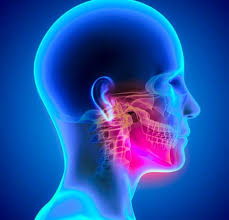
In scientific terms, the interface between physiotherapy and maxillofacial joint, TMJ (tempomandibular), has been already mentioned since 1972 and it is clear that manual therapy has a great benefit, especially in reducing pain and improving jaw function.
Probably every one of you found yourself in the situation when the pain or discomfort doesn’t disappear even when applying the best physiotherapeutical treatments.
Recently there is more evidence where other body parts and other factors, for example whiplash injuries, shoulder blade and neck instabilities have a direct effect on TMJ pain because of the joint has a direct connection to the neck, especially connecting through the musculoskeletal and nervous systems.
If you have already tried all possible (peri-) dental treatments and are still experiencing jaw joint problems such as:
- bruxism,
- crepitation in the joint,
- vertigo disorder,
- tinnitus,
- neck pain,
- migraine headaches,
- facial pain,
- non-specific gingival pain (swelling of the mouth),
- swallowing problems,
- biomechanical problems of the jaw,
- and other problems such as GPPV.
it is probably a good time to apply physiotherapy (manual therapy) treatment, which in a nervous-physiological effect stimulates mechanoreceptors, reducing the muscles protective tension, pain and inflammation.